
Christina Evangelin Ebinezer
Marketing Associate



Introduction
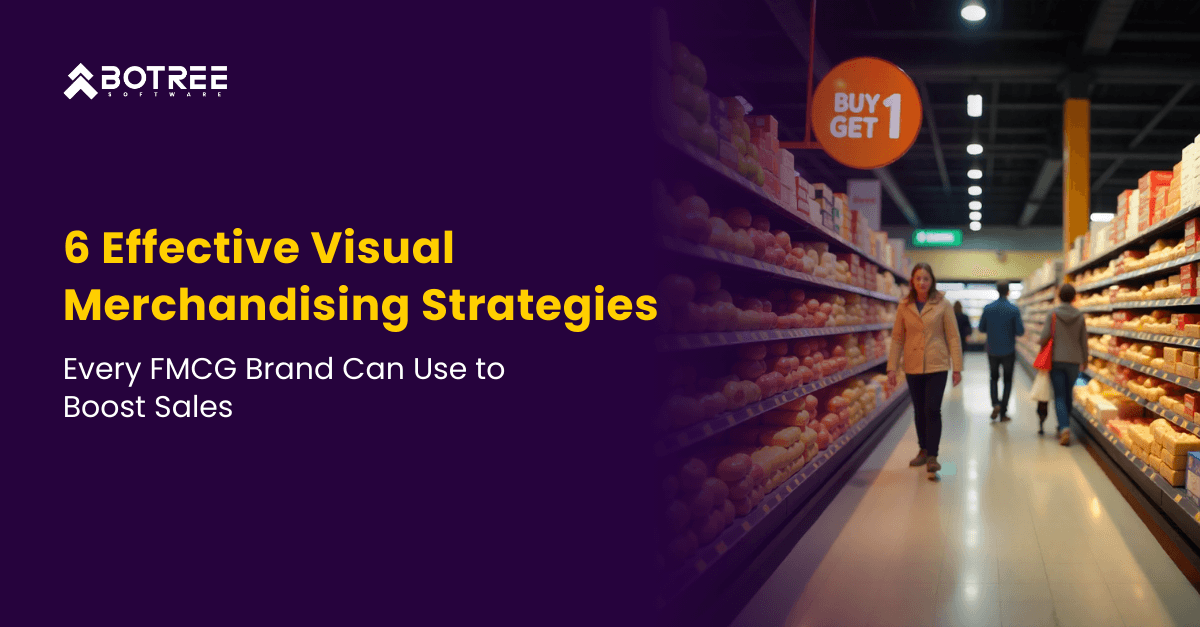
Walk into any successful retail store, and one thing stands out: its appearance and atmosphere. Visual merchandising goes beyond making products look appealing. It shapes customer behavior, creates a memorable experience, and influences buying choices. A shopper might enter planning to buy one item, but the store’s atmosphere, layout, and displays often lead them to find and purchase more. This is why visual merchandising is one of the key tools for driving repeat sales and building long-term loyalty.
Research shows that over 76% of purchasing decisions happen inside the store. That means your shelves, displays, and layouts influence customers just as much as your advertising. Retailers who work on creating the right environment do more than just sell products.
The challenge is consistency. It’s easy to create a great display once. However, ensuring that every store, in different regions and markets, meets the same standard is much tougher. Retail execution often fails because teams do not have the right tools to track compliance, measure performance, or refresh displays quickly. This is where technology becomes essential.
This is where Botree Software comes in with the tools which helps the brands to ensure their visual merchandising strategies are carried out correctly every time. From guiding store teams to tracking results in real time, Botree turns merchandising ideas into outcomes that can be repeated and measured.
In the next sections, we will look at six effective visual merchandising strategies. These approaches are practical, tested, and designed for today’s competitive retail world. Each one will also illustrate how Botree supports execution at scale. By combining traditional merchandising principles with modern retail technology, you can create stores that not only look better but also perform better.
The layout of a store impacts how customers move, what they notice, and where they spend their money. Even before shoppers see a product, the layout directs their path. If the flow is smooth and inviting, they explore more sections and spend more time inside. If the layout is confusing or cluttered, they leave quickly and buy less. This makes layout one of the most effective tools in visual merchandising.
Retailers often use three basic layouts, each with its own pros and cons:
Products are arranged in long aisles, commonly found in supermarkets and pharmacies.
Pros: Easy to navigate, showcases products well, works efficiently for large inventories.
Cons: Can feel predictable, may limit exploration beyond planned purchases.
Customers follow a specific path that loops through the store.
Pros: Leads shoppers to all sections, increases exposure to impulse items.
Cons: May feel restrictive for customers who want to make quick purchases.
Displays are arranged freely without strict aisles, typical in fashion and lifestyle stores.
Pros: Encourages discovery, promotes a relaxed browsing experience.
Cons: Can create confusion if signs and navigation are unclear.
Most stores combine these layouts based on size, product type, and shopper preferences. For example, a supermarket might use a grid for groceries but set up free-flow areas for seasonal promotions.
Studies shows that shoppers often turn right when they enter, avoid crowded areas, and slow down at corners or intersections. Placing high-margin products in these “hot zones” boosts visibility and sales. In contrast, essentials like milk or bread are usually located at the back to encourage shoppers to pass through several aisles.
Retailers who plan layouts thoughtfully see larger basket sizes.
For instance, a loop layout with impulse products near the checkout often adds small but profitable items to customers’ baskets. Likewise, fashion stores with free-flow designs encourage shoppers to browse more categories than they initially intended.
Botree Sales Force Automation provides detailed data visibility, interactive dashboards, and clear scheme visibility during order booking. This helps field teams and managers monitor execution and compliance almost in real time. The dashboards offer useful insights. They enable teams to understand how store layouts affect customer traffic, identify performance trends, and improve strategies for better sales and efficiency.
Research shows that over 90 percent of shoppers unconsciously follow the store’s physical flow instead of making deliberate choices about which aisles to visit. That means your layout decisions quietly guide most of their purchases.
Strategy 2: Group Products for Eye-Catching Displays
Shoppers rarely enter a store with a complete list of what they will buy. An appealing display can inspire ideas and encourage them to try new products. Grouping items together is one of the easiest and most effective ways to achieve this. When products are arranged by theme, color, or usage, they become more attractive and easier to find.
Why Grouping Works
The human brain processes visual information faster than text. A well-organized display cuts down on decision fatigue and creates a sense of order. Instead of searching through multiple shelves, customers quickly see how products relate to each other. This connection increases the likelihood of them choosing more than one item.
Common Grouping Strategies:
By Color
By Theme
By Usage or Occasion
By Bundle
Retailers who consistently use these methods notice better engagement. A supermarket that groups breakfast items often sell more cereals, spreads, and beverages compared to when these items are scattered across various aisles.
Use grouped displays to solve shopper needs, not just to show product range.
Ask: “What else does a customer need with this item?” That’s how you create cross-selling opportunities.
Color is one of the most powerful tools in visual merchandising. It captures attention, sets the mood, and influences purchasing decisions. Shoppers may not think about it consciously, but the colors surrounding them play a significant role in how long they stay, what they notice, and what they buy.
Why Color Matters in Retail
Different colors bring out different emotions:
Retailers who use color wisely can influence customer behavior. For instance, grocery stores often use green in produce sections to indicate freshness, while fast-fashion brands use bold seasonal colors to create excitement.
When done right, color does more than make displays appealing—it directs shoppers toward high-margin or priority products.
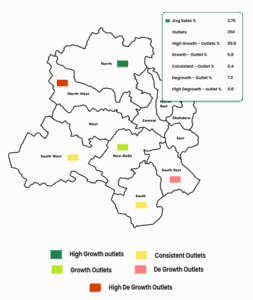
Picking the right color scheme is an art. Proving its effects is a science. Botree outletpulse helps in tracking regional performance which helps retailers to see how different color layouts perform across stores. If a festive display in one region significantly boosts sales, Botree dashboards make it easy to identify that trend and expand it nationwide.
This transforms color theory from guesswork into a reliable strategy.
Test color combinations in smaller regions before rolling them out widely. What works in one market may not connect the same way in another.
Shoppers do not move randomly inside a store. Their path is influenced by store design, entry points, and even habits they are not aware of. Retailers who grasp this flow can place products in the right spots to increase visibility and sales.
Studies show that most shoppers instinctively turn right after entering a store. They also slow down at corners, intersections, and checkout lines. These spots become prime locations for product placement. Essentials like bread or milk are often located at the back, encouraging shoppers to pass through multiple aisles before reaching them. High-margin and impulse products perform best in busy areas where shoppers naturally pause or move through.
Ignoring these patterns leads to missed sales opportunities. Even the best display loses its effectiveness if it is hidden in a low-traffic area.
Examples of Flow-Aligned Displays
For instance
A supermarket that moved a premium snack display from a side aisle to a main flow path saw increase in sales. The product remained the same, but the location changed.
Designing displays to match shopper flow works only if stores follow through. Botree SFA compliance nudges ensure that store teams set up displays in the right areas. If a product intended for checkout ends up in a side aisle, managers receive alerts, and fixes happen quickly. This maintains shopper flow strategies across outlets and regions.
Shoppers notice when displays feel new, and they also see when they look outdated. A display that worked last month may lose its impact if it is not updated. Keeping store layouts and displays in line with seasons, festivals, and campaigns is essential for maintaining customer interest and encouraging repeat visits.
Outdated displays send the wrong message. They suggest that a store is not paying attention, which can impact how customers view the entire brand.
Examples of Seasonal Refresh
These refreshes do more than draw attention. They create a sense of relevance that encourages customers to return more often.
Plan seasonal refreshes in advance. Have display materials, stock, and guidelines ready so execution happens fast when the campaign period begins.
When shoppers enter a store, their eyes do not scan everything the same way. They focus on specific points that stand out, known as focal points. Using focal points effectively makes displays more engaging and leads customers further into the store.
The human brain instinctively processes visual hierarchy. A bold sign, a well-lit shelf, or a display at eye level catches attention first. From there, customers look at surrounding products. Without clear focal points, displays merge into the background and do not spark interest.
Examples of Focal Points in Action
A cosmetics retailer tested focal points by highlighting a new product in the center of the store. Sales of that item increases when compared to stores where it was placed on regular shelves.
The challenge lies in execution. A head office may design a perfect planogram but getting hundreds of stores to implement it correctly is complex. Stock availability, seasonal changes, and staff training often create gaps between the plan and reality. Many brands struggle due to a lack of real-time visibility into what is happening at the retail level.

Marketing Associate
Meet Christina Evangelin Ebinezer, our dynamic marketing associate at Botree Software. With a background in HR and marketing, and prior experience as a content writer, Christina brings a sharp eye for storytelling and a knack for crafting engaging blogs and marketing content. She’s passionate about turning ideas into words that drive impact. Outside of work, Christina finds joy behind the piano keys or the wheel—whether she’s playing a soulful tune or cruising down open roads.


Stay updated with the latest trends and insights.