
Vinit Kumar
Product Owner



Whether you are handling FMCG products, electronics or fashion products, dealing with damaged, expired, or unsellable products is inevitable. The inventory losses due to operational inefficiencies can cost a significant financial burden, straining both the brands and distributors’ relationship.
But what if there was a way you could recover some of that value, streamline your operations, and build stronger relationships with suppliers?
Read along this blog to learn 3 ways you can transform the way you manage unsellable goods, strategically boost sales of near-to-expiry products, thus minimizing loss.
As a distributor, you’re always facing a variety of risks that could lead to unsellable inventory—damaged goods during transit, expired products sitting too long in storage, or even items that didn’t sell due to market conditions or are near to expiry. As a company, handling these situations is crucial as you do not want your customers to get their hands on damaged or expired products.
Additionally, selling expired products can have far-reaching negative consequences, including damage to brand reputation and the possibility of regulatory penalties. Beyond that, the return process often leads to increased costs for transportation, restocking, and handling.
Managing inventory efficiently requires striking a balance between maintaining stock levels and ensuring products don’t reach their expiration date on the shelf.
The good news is that modern DMS solutions offer advanced tools to tackle these challenges head-on. From boosting sales of near-to-expiry products to ensuring compliance with shelf-life regulations, here’s how your DMS can be a game changer in minimizing losses and optimizing operations.
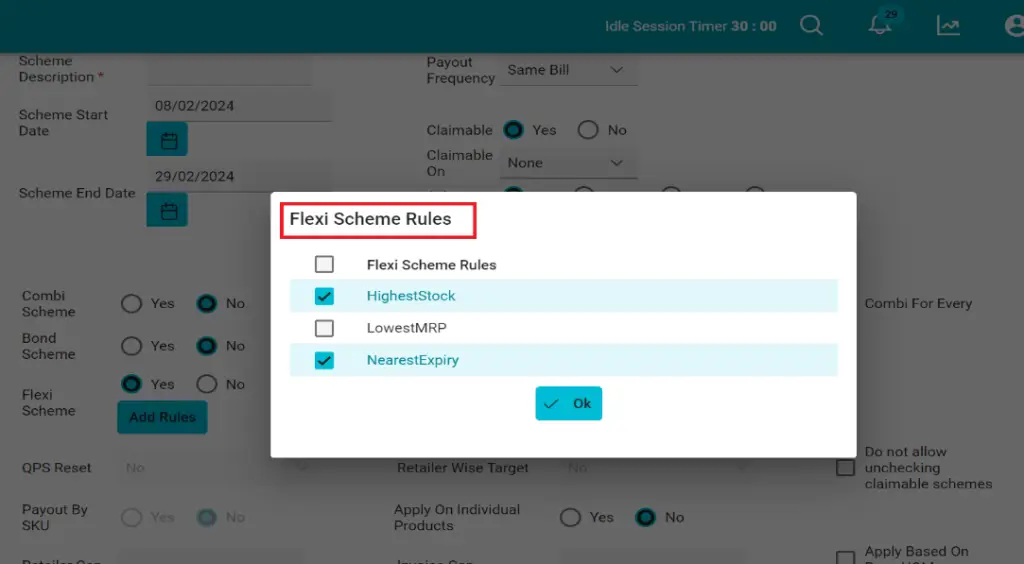
One of the most effective ways to minimize losses from near-expiry products is by strategically offering discounts or promotions.
The Liquidation Scheme in Botree DMS is designed specifically for this purpose. It allows businesses to apply scheme rules to manage and promote near-to-expiry stock, pushing it out before it becomes unsellable.
By utilizing this feature, businesses can:
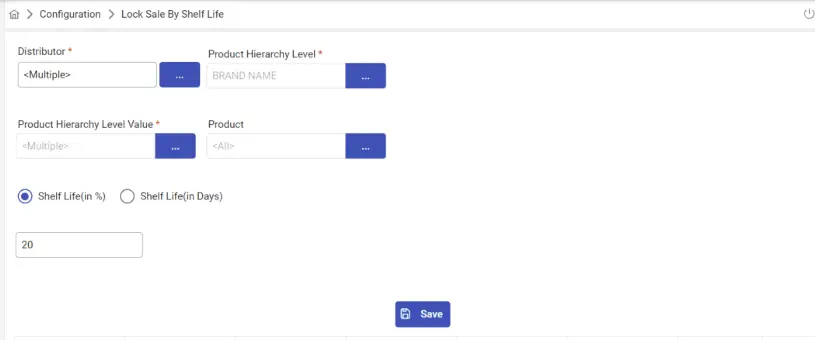
Another critical challenge is preventing expired or nearly expired products from reaching consumers. Expired products not only lead to financial losses but also hurt a brand’s reputation and customer trust. Fortunately, your DMS can help prevent this by locking the sale of products based on their shelf-life.
By locking sales before products become unsellable, the DMS ensures that only products with sufficient shelf-life are distributed. This automated control over the sale of goods not only safeguards businesses from financial losses but also helps in maintaining consumer trust.
Learn more about this feature in our blog
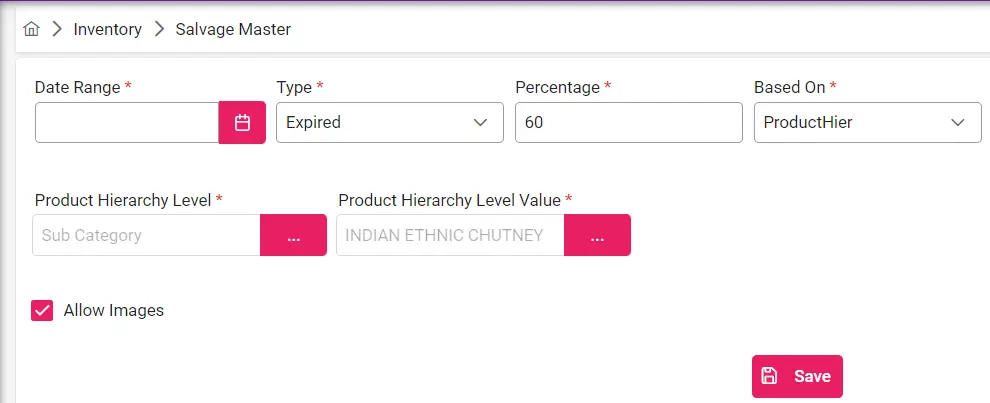
For products that do expire or become damaged, enter the concept of a Smart Salvage Policy, a vital feature in modern Distributor Management Systems (DMS) that can transform the way you manage unsellable goods.
A salvage policy is a set of pre-agreed rules within the DMS, which allows distributors to predefine salvage rates or value that can be claimed for damaged or expired goods. These rates can vary depending on the type of product and the level of damage. For instance, a distributor might define a 70% salvage rate for expired goods and 60% for damaged goods.
This policy ensures transparent and efficient processes, thus preventing distributors from bearing the entire cost of unsellable goods, thereby reducing losses and strengthening stronger partnerships.
For example;
Let’s say you’re distributing dairy products, and some of your stock expires. Instead of absorbing a total loss, you can claim 70% of the value based on the predefined salvage policy, reducing the financial impact.
The ability to manage inventory efficiently and reduce losses is crucial to maintaining profitability in distribution. A modern DMS with advanced features like Flexi-Scheme Master, shelf-life-based sales locking, and Smart Salvage Policy provides businesses with the tools they need to overcome these challenges.
Is your current distribution process optimized for handling unsellable goods? No?
Learn more on how Botree DMS can help you streamline your business operations – It’s time to leverage technology to minimize losses, foster trust, and streamline your operations.

Product Owner
Meet Mr. Vinit Kumar, Product Owner and a seasoned IT professional with over a decade of diverse experience in solutions like DMS, SFA, CRM, and ERP. His expertise lends a fresh perspective to product management. Having spearheaded multiple products & projects, his collaboration with Botree aims to propel product innovation to new heights.


Stay updated with the latest trends and insights.